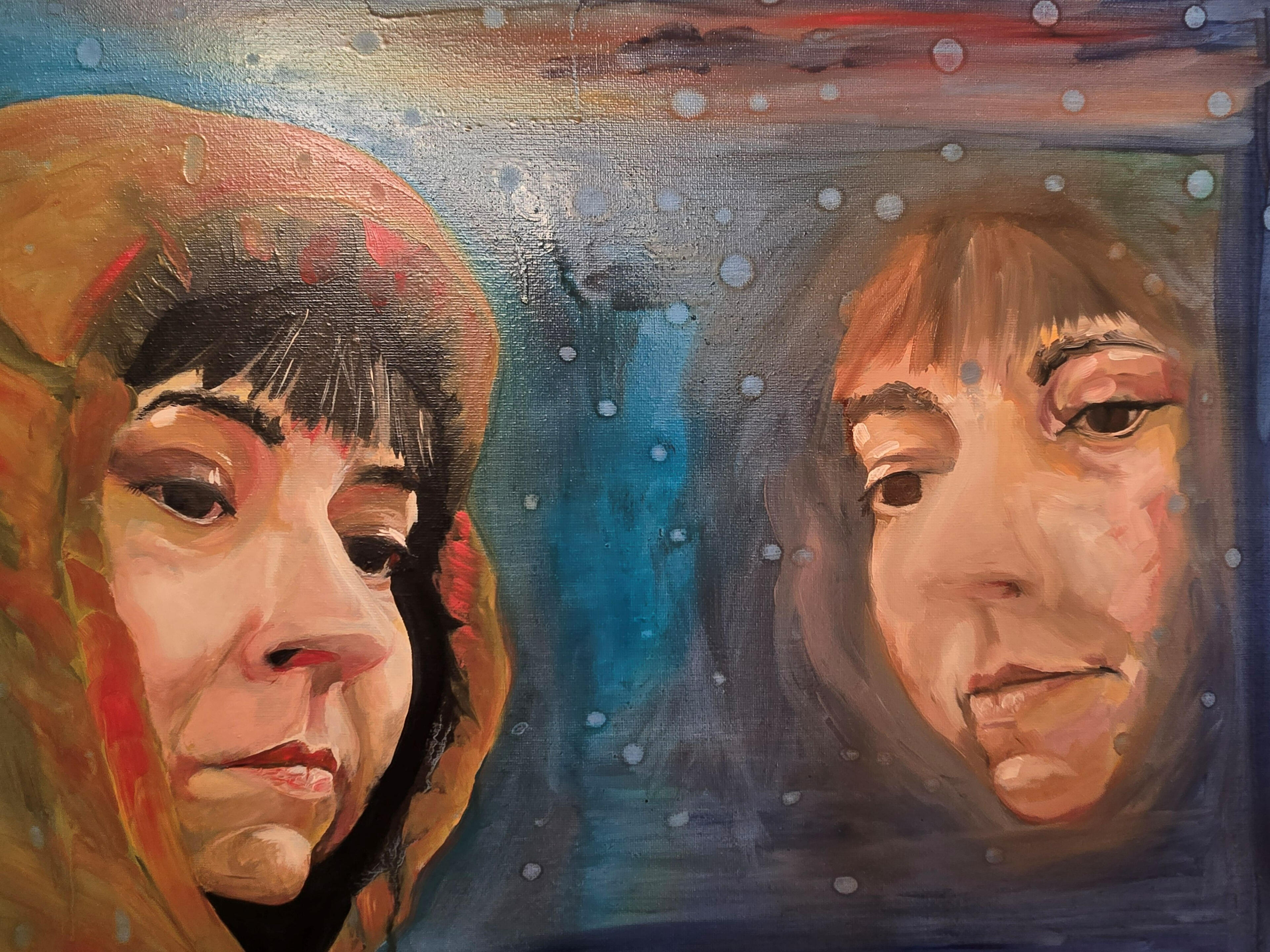
Self Portrait #1 by Andraya Hayward
The mission is to offer women a quiet, feminist space where all her emotions are allowed to exist in all their nonlinear complexity - where emotions can rise and fall naturally, without needing to be solved or managed - where portraiture becomes a gentle record of courageous presence.
This is a quiet, relational portrait‑based offering created by Andraya Hayward, MS, LPC, ATR - a licensed professional counselor and registered art therapist. The experiential invitation is for women - including cis women, trans women, and AFAB non‑binary people who feel aligned with women’s spaces.
What It Is
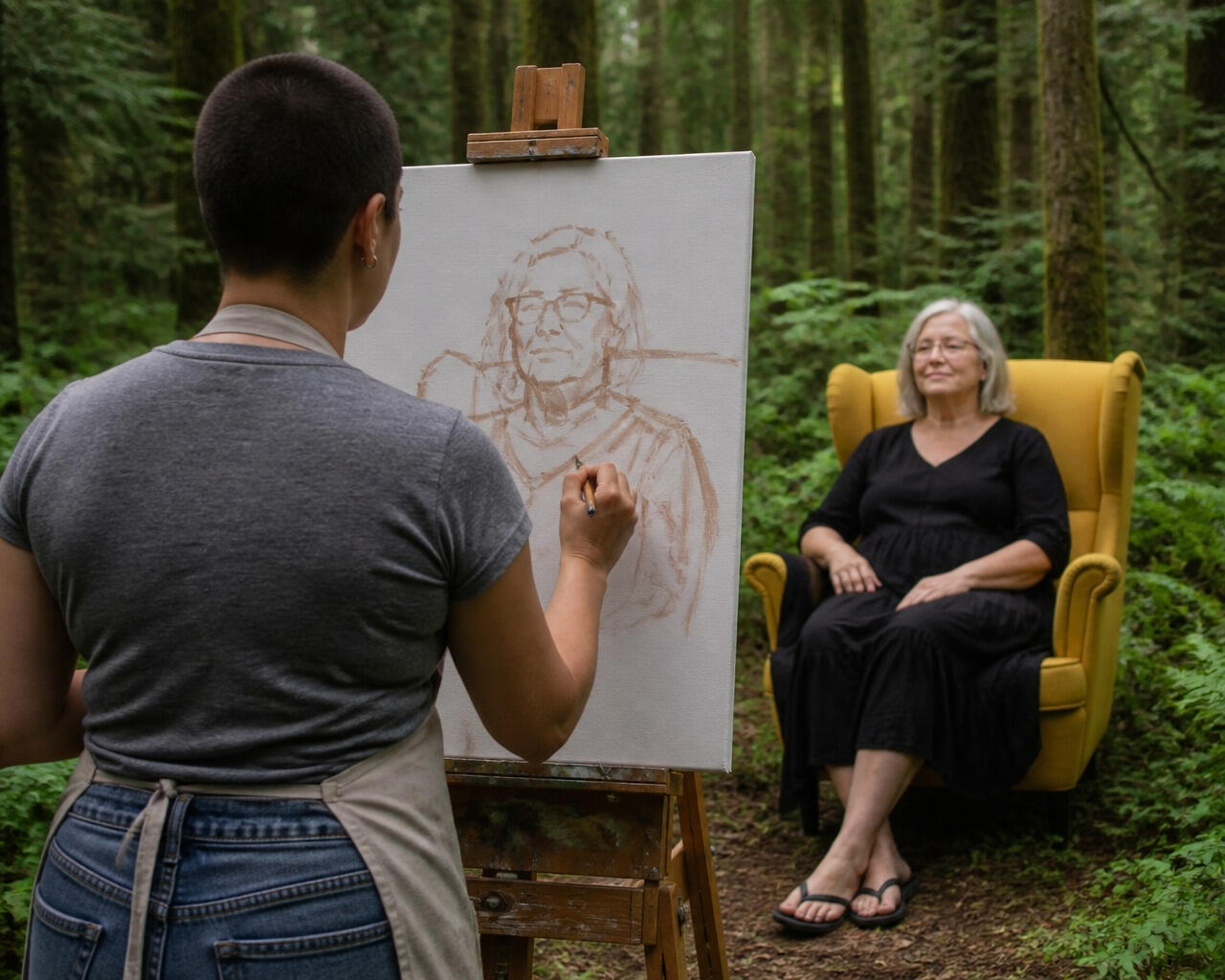
Unspoken Women Sitting blends emotional presence with the act of portraiture, creating a gentle, purposeful experience. The participant becomes the sitter of an individual portrait session, resting in minimal verbal expression as her emotions rise and fall naturally. I witness her through a compassionate, trauma‑informed lens while painting, attempting to capture the courage of a woman meeting herself honestly.
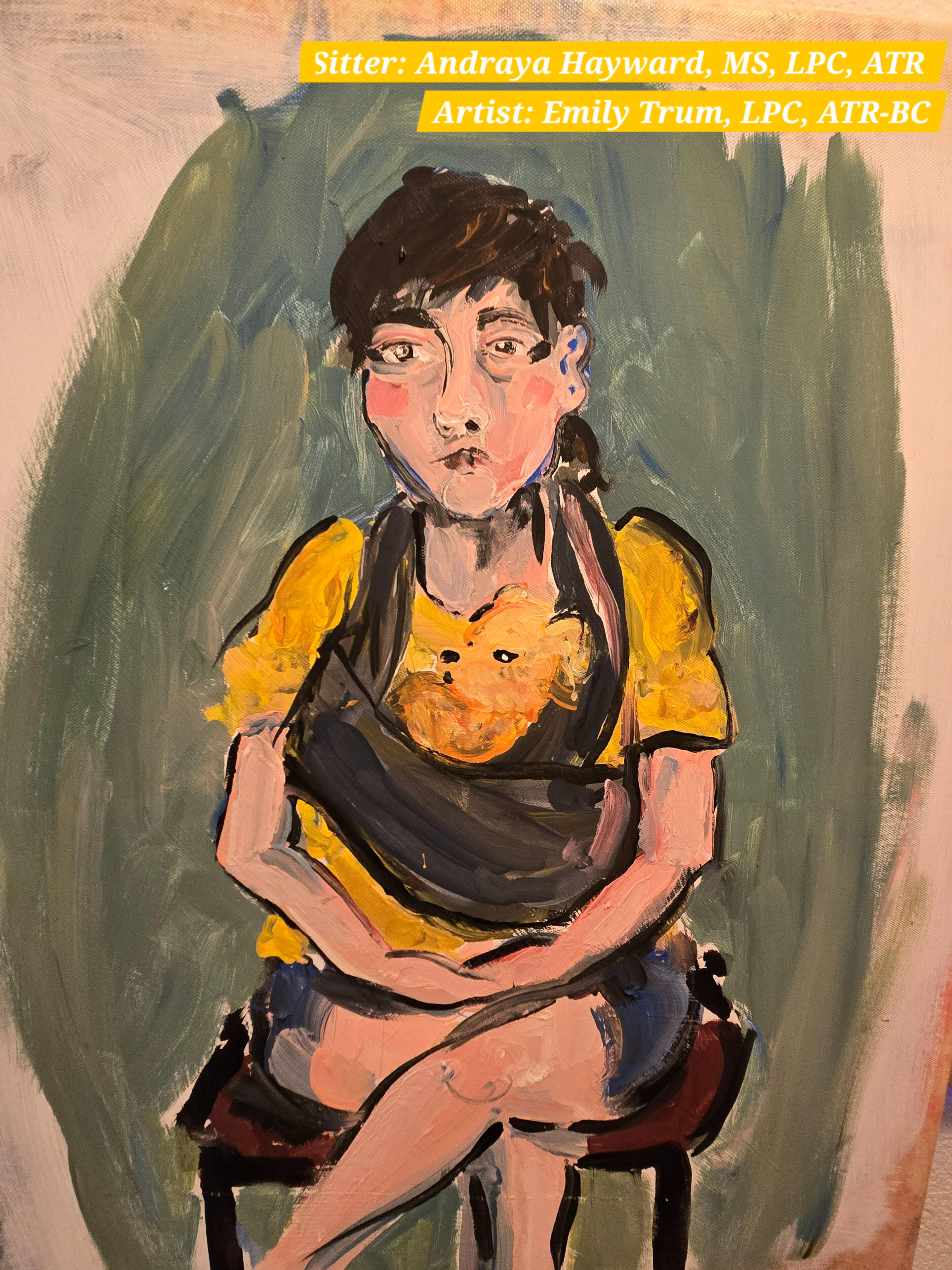
All emotional expressions are welcome: tears, trembling, laughter, anger. Nothing needs to be tidy or polite.
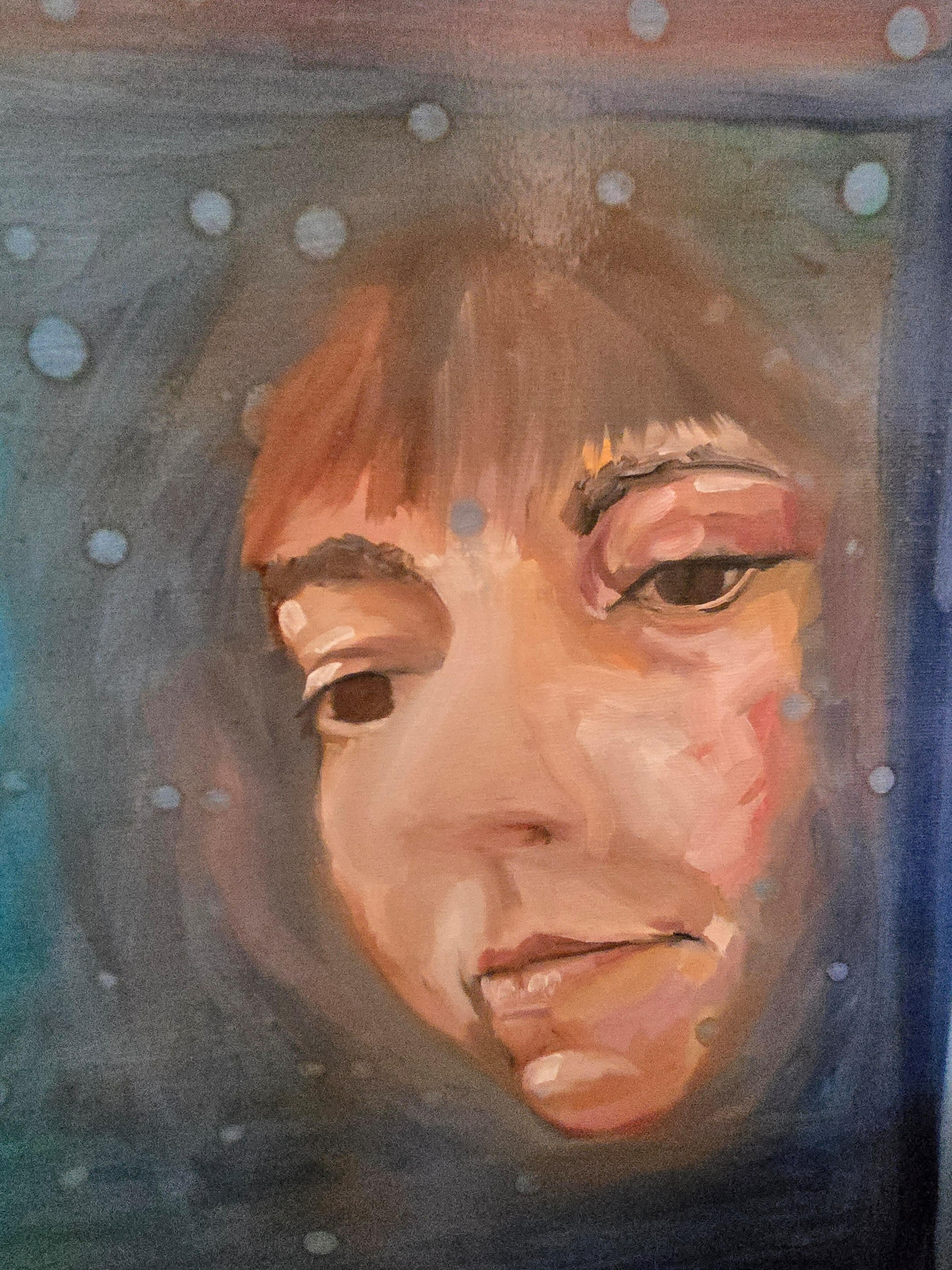
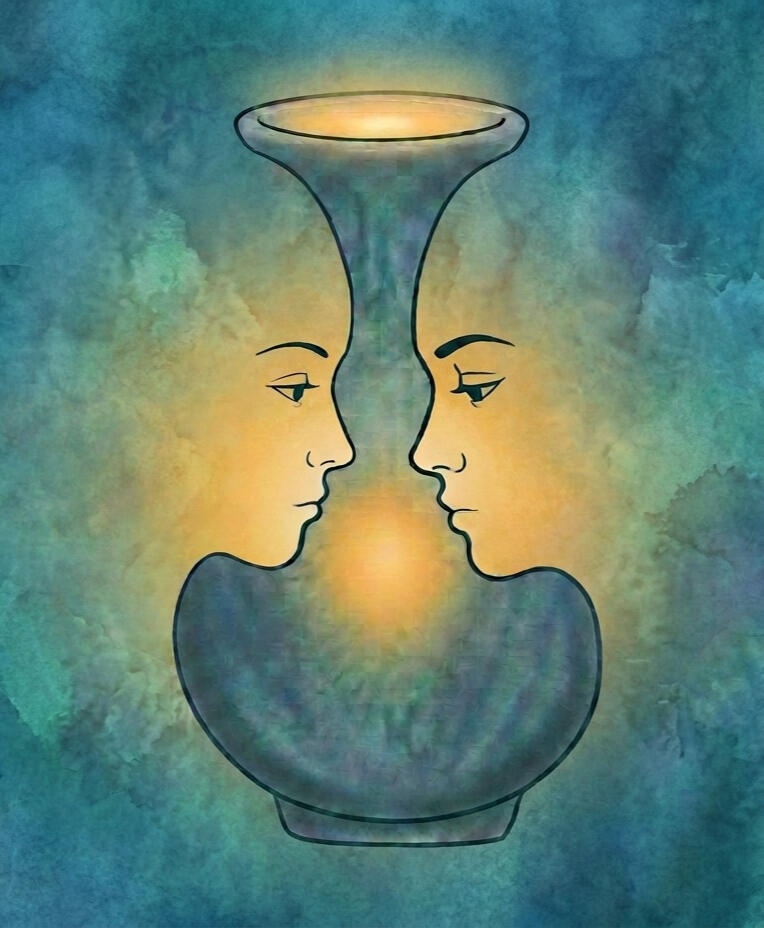
Self Portrait #2 by Andraya Hayward
How She Is Seen
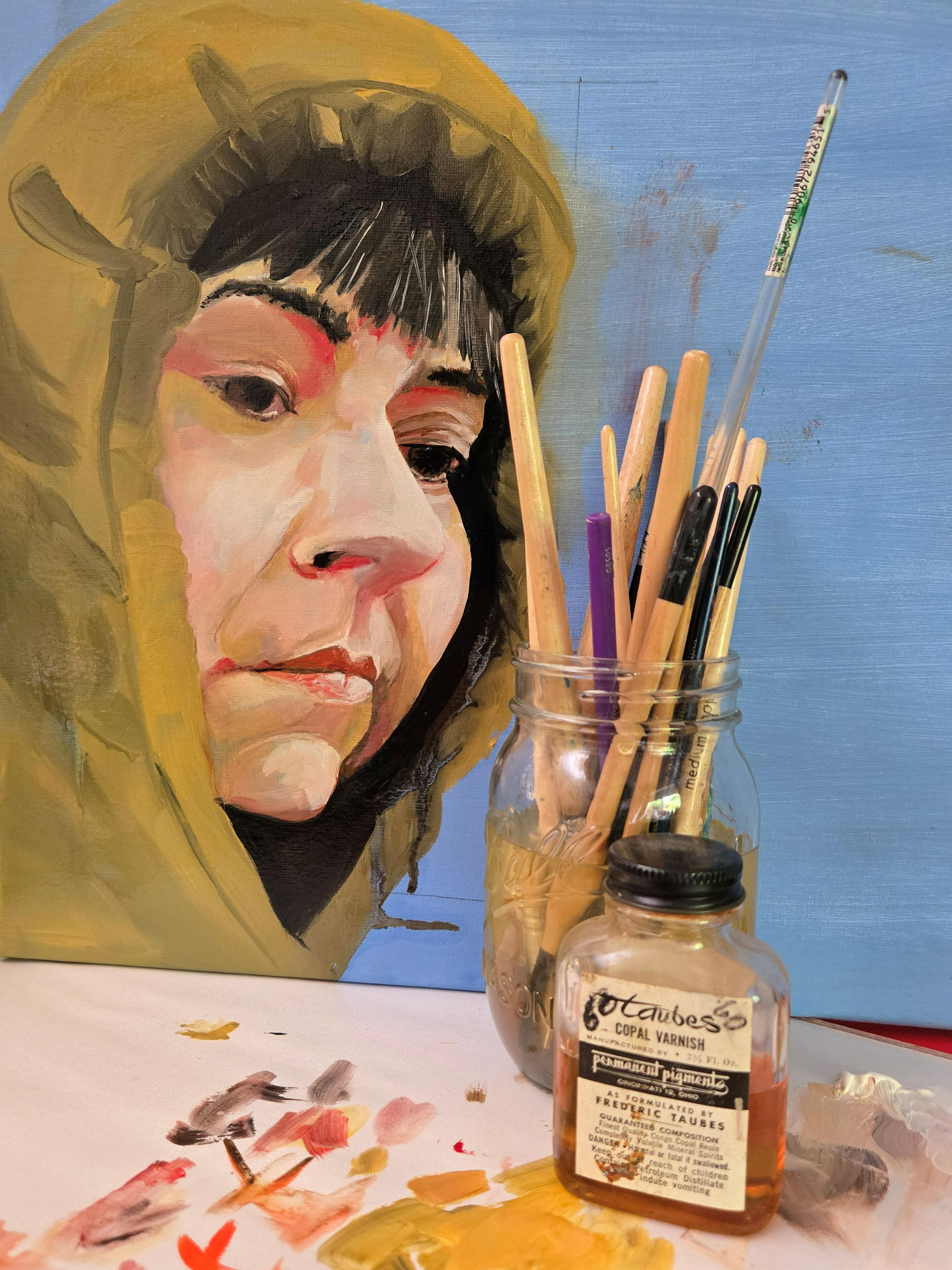
Some women choose a traditional portrait. Others prefer not to include their face—perhaps a hand, a shoulder, or another part of the body feels truer. Some choose to be represented only through color, gesture, or essence. Every sitter receives her completed oil portrait and may alter it if she wishes.Contact: [email protected]
Note: Unspoken Women Sitting is an experiential, single‑session offering rather than a form of ongoing counseling. If a sitter discovers she would benefit from continued therapeutic support, referrals can be provided. For other non‑traditional psychotherapy offerings with Andraya Hayward, MS, LPC, ATR please visit clayworkscounseling.com
A Human, Collaborative Process
This offering also reflects my desire to grow as a portrait artist. Participants enter a sincere, imperfect, deeply human collaboration with a developing, not‑yet‑expert, portrait artist.Logistics: Sittings take place in a secluded, safe outdoor space surrounded by nature, with accommodations available for accessibility needs, weather concerns, or from the sitter’s home when appropriate. Each sitting unfolds slowly over two to three hours. We begin with a quiet conversation to settle in, create safety, and explore what kind of portrait feels right for the sitter in this moment.Fee: The fee is minimally structured at $50, simply to cover costs so that most women who feel drawn to this work can access it. Donations are warmly appreciated and directly support this work, as well as the growth of Clayworks Counseling — including the developing equine‑assisted psychotherapy program — as a feminist resource in our community.If interested, I encourage you to read below through Unspoken Women Sitting: The 10 Mechanisms of the Portrait-Sitting Experience
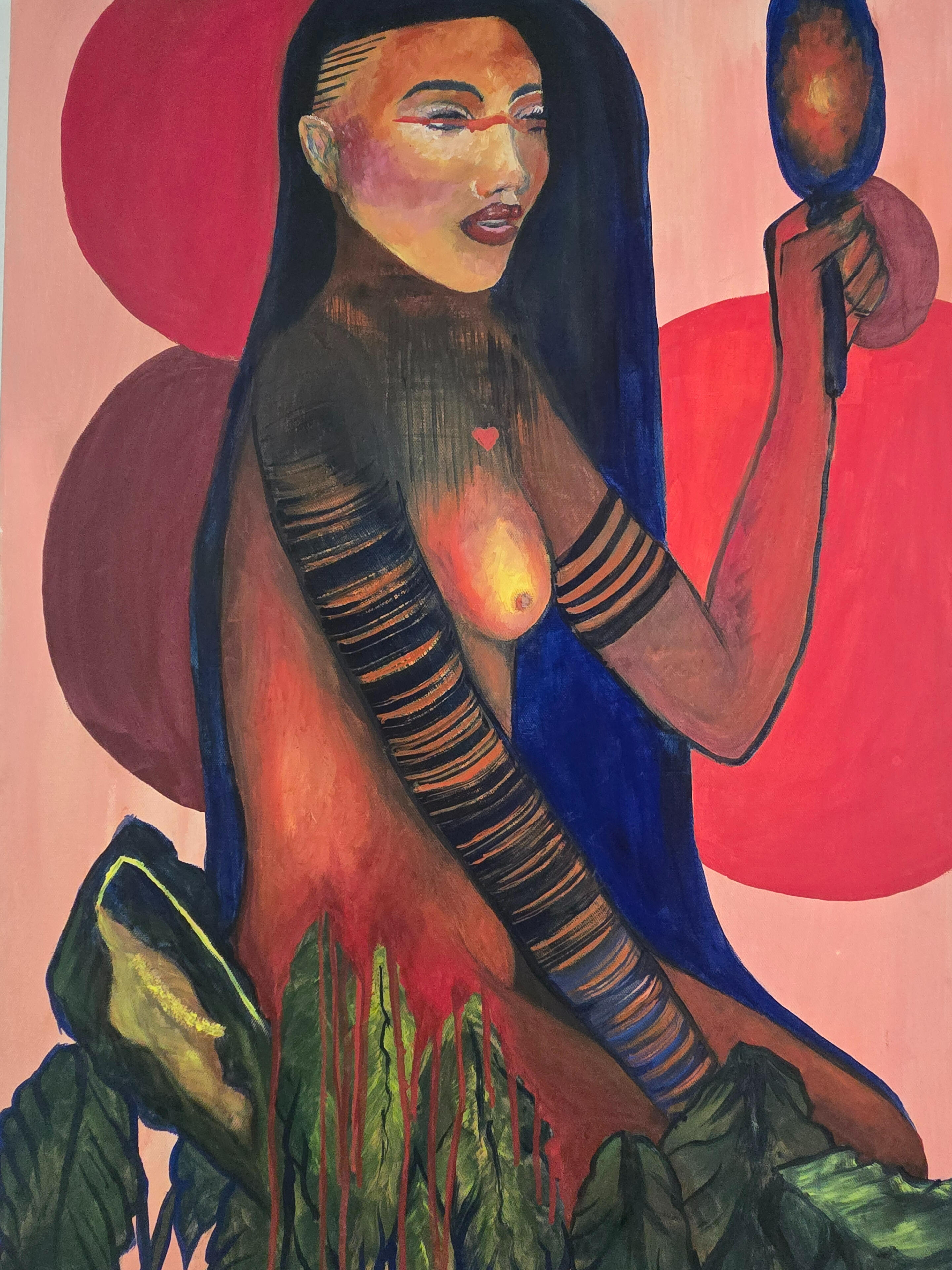
Peace Lilly by Andraya Hayward
Examples of women who may find this experience supportive include:
• women who feel drawn to this work and are curious about what it might offer
• those moving through meaningful life transitions; women who feel “between selves” or “in the middle of becoming”
• women navigating end of life experiences, especially those wishing to leave a portrait for loved ones
• health care workers, particularly those for whom talk therapy has become overly familiar
• individuals living with life threatening illnesses
• women in grief or struggling to understand and connect with their anger
• women whose bodies will be altered by medical procedures (for example, breast cancer treatment) and who may appreciate having their unaltered body — or their newly changed body — witnessed through portraiture
• women rebuilding a sense of identity after major life disruptions (divorce, caregiving, relocation, career loss, or burnout)
• women healing from experiences that have impacted their relationship with their bodies, including trauma or long term self criticism
• women seeking a space where they can practice vulnerability, presence, and being witnessed without needing to perform or explain
If you’d like a deeper dive into why this quiet, still experience is uniquely powerful for women, you’re invited to read:
Unspoken Women Sitting: The 10 Mechanisms of the Portrait‑Sitting Experience
1. Access to emotions that language suppresses
Many women have learned to explain, justify, or minimize their pain the moment they start talking. Silence removes that reflex.
Non verbal processing lets emotions surface without needing to be coherent, polite, or narratively tidy. This is especially important for:
• rage
• grief
• fear
• shame
• trauma
• existential pain
These states often exist beneath language, not inside it.
2. A break from self monitoring
Talking activates the part of the brain responsible for:
• choosing words
• managing tone
• gauging the listener’s reaction
• staying socially appropriate
Non verbal sitting shuts down that performance layer.
Women can stop “managing themselves” and simply feel.
This is why portrait sittings — where the participant is still, quiet, and witnessed — can become a form of emotional release.
3. Regulation through stillness
Stillness is physiologically regulating.
When someone sits quietly for an extended period:
• breathing slows
• the nervous system shifts
• emotional waves rise and fall naturally
• the body processes what the mind avoids
This is the same mechanism behind meditation, EMDR pauses, and somatic therapy — but this portrait offering adds the visual witnessing layer.
4. Emotional truths that don’t require explanation
Some pain is too complex, contradictory, or raw to articulate.
Non verbal processing allows:
• grief without narrative
• rage without justification
• fear without needing to be “reasonable”
• trauma without retelling
• identity shifts without needing to define them
Women can experience their pain directly, not filtered through language.
5. A sense of being witnessed without being interpreted
Talking invites interpretation. Silence invites presence.
Being visually witnessed — without commentary, analysis, or verbal reflection — can feel:
• validating
• grounding
• sacred
• relieving
• empowering
It says: “I see you. AND you don’t have to explain yourself.”
For many women, that is a radical experience.
6. A shift from cognitive processing to embodied processing
Talking is cognitive. Sitting is somatic.
Non verbal processing activates:
• posture
• breath
• facial expression
• muscle tension
• stillness
• tears
• micro movements
These are body based truths, not intellectual ones.
A portrait captures these truths visually — which is why the final artwork becomes a form of emotional evidence.
7. A symbolic transformation
The portrait becomes:
• a record of endurance
• a symbol of survival
• a mirror of emotional truth
• a tangible artifact of pain transformed into power
This is something talk therapy cannot produce. The sitter leaves with a physical object that says:
“I sat with my pain. I survived it. I was witnessed.”
That object can continue to support healing long after the session ends.
8. Relief from the pressure to be articulate
Women often feel they must:
• make sense
• be coherent
• be calm
• be polite
• be emotionally tidy
Non verbal processing removes all of that.
Pain can be messy, contradictory, nonlinear — and still valid.
9. Access to deeper layers of identity
Silence allows women to encounter parts of themselves that are usually hidden:
• the angry self
• the grieving self
• the exhausted self
• the terrified self
• the powerful self
• the becoming self
These identities often emerge only when language is removed.
10. A profound sense of empowerment
When a woman sits with her pain — without numbing, explaining, or escaping — she experiences:
• mastery
• endurance
• courage
• self respect
• emotional stamina
• power
And when that moment is captured in a portrait, the empowerment becomes visible.